Industrial Solar Power Setup Cost: Key Factors That Impact Pricing
- by vibrant
- 6 minute read
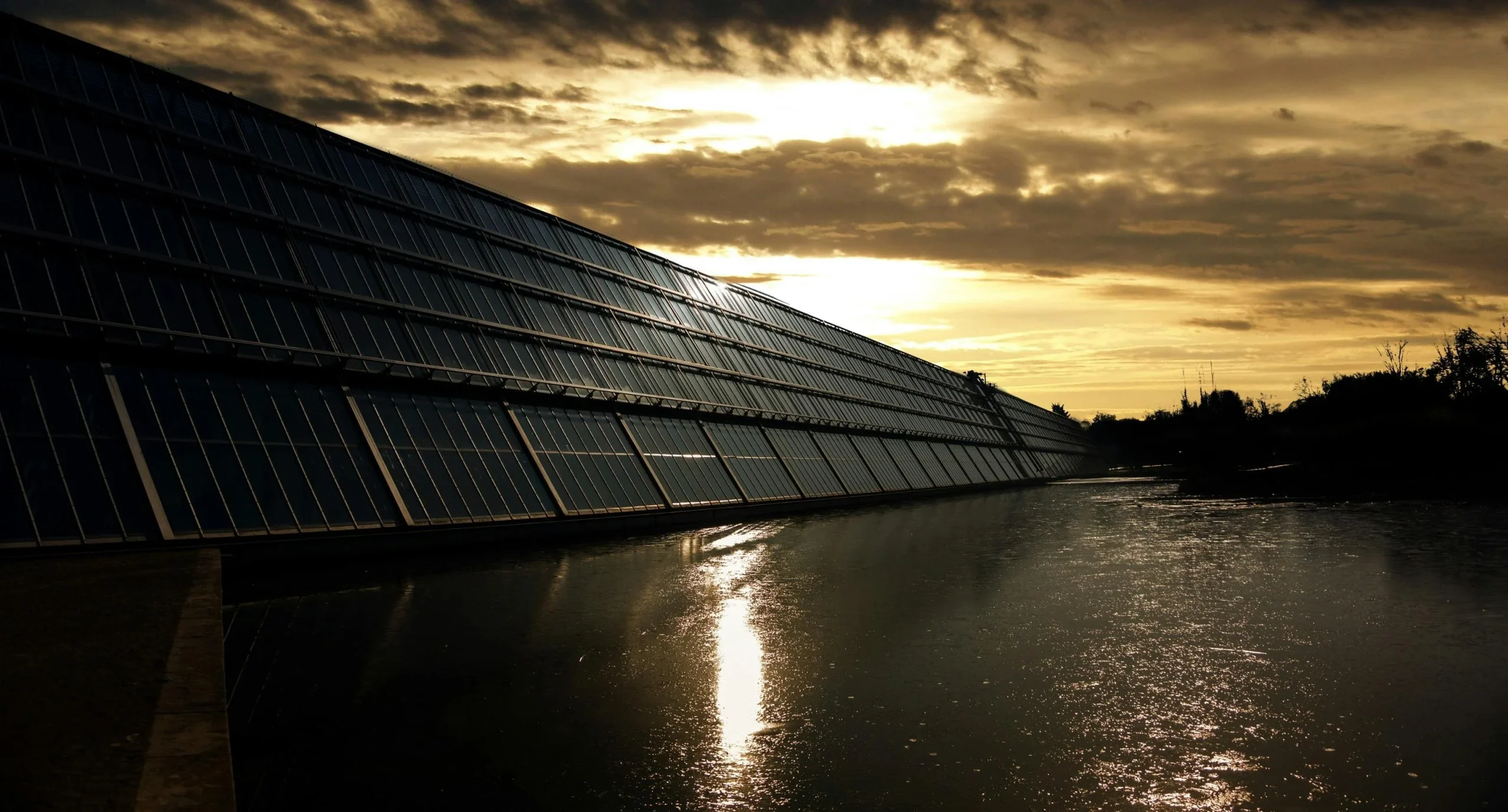
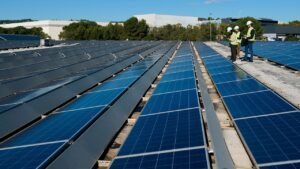
As more factories and large facilities commit to on-site energy generation, one question comes up early and often: What does an industrial solar power setup cost?
Cost is usually the first question, and the most misunderstood one, when enterprises consider solar. It’s not because the solar installation cost for factories is opaque. It’s because businesses look for a single number where none exists. At the same time, we must also talk about what actually drives that number.
The cost of an industrial solar power setup does not behave like a catalogue price. It varies with scale, design choices, site conditions, and the degree to which the system is expected to perform over time. Two facilities with the same connected load can end up with very different project costs and very different outcomes.
So, before we discuss the factors that affect pricing, let’s understand how different industrial solar systems are from commercial systems.
What Makes Industrial Solar Different From Commercial Systems?
Commercial and industrial solar often get grouped together. On site, they behave very differently.
Commercial systems usually support predictable loads such as powering office buildings, retail spaces, and campuses. The operating hours are defined, and there is limited tolerance for complexity. Outages are inconvenient, but rarely disruptive. And so, design decisions often prioritise ease of installation and visible savings.
Industrial solar systems carry weight. Literally and operationally.
Industrial solar projects operate under heavier pressure. They power continuous processes, high starting loads, and production lines. A short interruption can lead to lost output or stalled lines. Even large-scale warehousing operations adopt solar tech.
A typical industrial solar setup has:
- Larger system sizes (hundreds of kW to MW scale)
- Higher-grade components
- Stricter safety and grid compliance requirements
Durability of the system and risk control are the real factors that directly reflect in the cost of an industrial solar power project, rather than speed or appearance.
Major Cost Components of an Industrial Solar Setup
1. Solar Panels
Solar panels usually account for a large share of the visible project cost, which is why they attract most of the attention early on. But panel pricing alone rarely tells the full story.
Industrial-grade panels are chosen based on:
- Higher wattage to maximise generation within a limited roof or land area
- Long-term performance warranties that protect output over decades
- Resistance to environmental stress, such as heat, dust, vibration, and industrial pollutants
Panel pricing varies based on efficiency, brand tier, and availability. Lower-priced options can reduce upfront spend, but higher degradation rates or inconsistent quality often surface later as lost output or replacement costs.
The sweet spot for cost-to-benefit lies in correctly gauging the need and choosing the right panel [anchor text link to Products-Solar panels page] for the purpose.
2. Solar Inverters
Solar inverters are critical for system stability and performance. They convert, regulate, and synchronise power with factory operations and the grid. In industrial settings, this role becomes critical.
Industrial projects typically use:
- Central inverters for utility-scale systems like large, uniform ground-mounted systems.
- String inverters where modular flexibility, redundancy, or phased expansion matters
Inverter costs depend on capacity, redundancy design, monitoring features, and grid compliance standards. Choosing the right solar inverter [anchor text-link to Blog 3 on solar inverters] can make or break system performance.
3. Balance of System (BOS) Components
BOS components rarely dominate discussions, yet they shape long-term costs more than expected. They include mounting structures, cabling, protection devices, earthing systems, and safety equipment. Balance of System components [anchor text-products-BOS] hold everything together: mechanically, electrically, and from a safety standpoint.
While they may seem secondary, BOS quality heavily influences:
- Installation safety
- Maintenance costs
- System lifespan
Cutting corners here often leads to higher long-term expenses. Problems often show up after commissioning. This is where most cost overruns begin, not end.
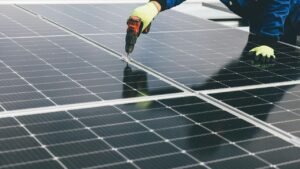
4. Installation & Engineering
Installation costs vary widely across industrial sites. No two roofs behave the same way, and no two electrical layouts tell the same story.
Installation costs vary based on:
- Roof or ground conditions
- Structural reinforcements
- Electrical integration complexity
- Compliance and approvals
For industrial facilities, engineering precision is essential and should never be treated as a cost-saving area. Accurate load mapping, structural assessment, and protection design prevent issues that compound quietly over time.
Factors That Influence Final Pricing
Besides components and installation, several other variables shape the final industrial solar power set cost:
- System size and capacity
- Location and site conditions
- Equipment selection
- Logistics and lead times
- Grid interconnection requirements
This is why price comparisons across projects often mislead. Each factor can significantly shift the final investment number. In this situation, the context matters more than capacity alone.
ROI Timeline for Industrial Solar Projects
Industrial solar projects mustn’t chase instant payback. They should aim for stability.
Most industrial solar systems achieve ROI within 3 to 5 years, depending on energy usage patterns and electricity tariffs. After that, solar becomes a long-term cost stabiliser. What matters is not just when the system pays for itself, but whether it continues delivering consistent output long after that point.
Cost Optimisation Without Compromising Quality
Cost control works best when it focuses on decisions, not discounts.
Smart cost control involves:
- Sizing systems based on actual consumption, not peak assumptions
- Choosing components that are compatible under real load conditions
- Working with reliable distributors who maintain specification discipline
- Planning logistics in advance
The cheapest setup is rarely the most cost-effective. Over a 20–25-year lifecycle, reliability compounds.
This is where experienced distribution partners [anchor text. Link to Home page] add value by ensuring that what gets specified, sourced, and delivered actually aligns.
Final Thoughts
Industrial solar power setup cost is driven by design quality, component selection, and procurement strategy. Here, intent matters as much as equipment. A well-planned investment delivers predictable energy savings and long-term operational stability.
When cost decisions follow lifecycle thinking, industrial solar stops behaving like a project. It starts behaving like an asset.
Key Takeaways
- Industrial solar power setup cost is shaped by decisions, not just capacity. Two systems of the same size can behave very differently over time.
- Industrial and commercial solar are not interchangeable. Industrial systems carry higher operational risk, which directly influences design and pricing.
- Panels get the attention, but inverters and BOS decide reliability. This is where long-term costs are often won or lost.
- Cutting upfront costs usually shifts risk downstream. Problems tend to surface after commissioning, making fixes expensive.
- The most cost-effective systems plan for 20 years, not year one. Reliability compounds; shortcuts don’t.