Industrial Solar Power System Components: A Complete Guide for Large-Scale Facilities
- by vibrant
- 6 minute read
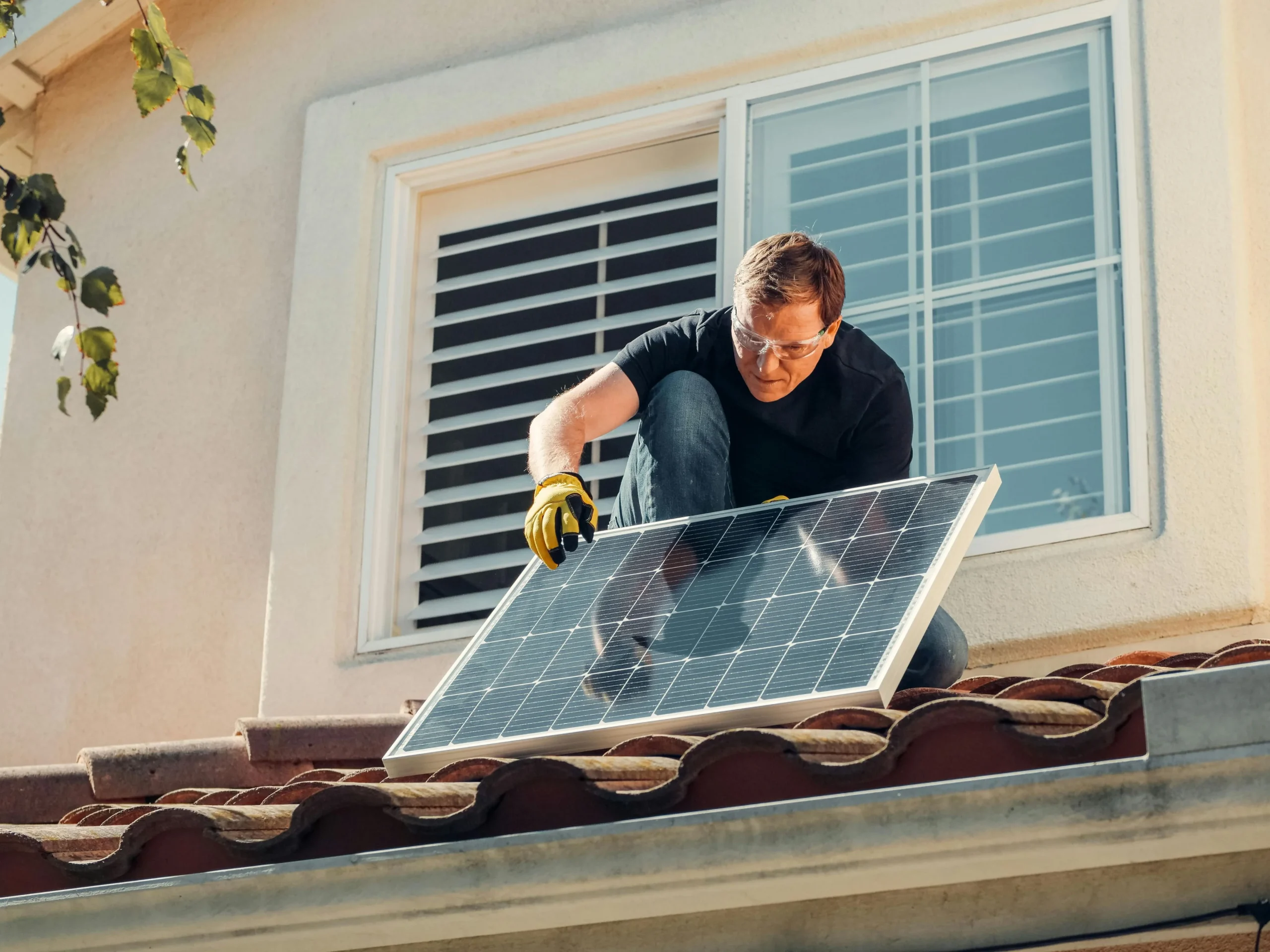
Industrial solar power systems are not a future trend; they shape strategic energy decisions in enterprises today. With rising electricity costs, tight energy management expectations, and pressure to optimise operating margins, adoption is accelerating across sectors.
However, a successful industrial solar setup is not defined by how quickly panels are installed or by how large the system appears on paper. Long-term performance depends on choosing the right industrial solar power system components, sourcing them reliably, and making certain that every element works together under real operating conditions.
Before assessing individual components, let’s clearly define what makes an industrial solar power system fundamentally different from other solar installations.
What Is an Industrial Solar Power System?
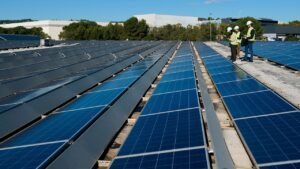
An industrial solar power system is a large-capacity photovoltaic setup [anchor text to internal link of homepage products] designed to meet the high power needs of industrial operations. Unlike residential systems, industrial projects must perform reliably alongside energy-demanding processes, dynamic demand cycles, and strict regulatory policies.
These systems are engineered for:
- Sustained power generation for extended operating hours
- High load variability and peak demand management
- Long operational lifespans with minimal disruption
- Grid synchronisation, protection, and compliance
An industrial solar power system is not defined by one technology choice. Its ability to perform at scale depends on early, system-level planning and accurate component specification. Even minor mismatches may create significant operational risk.
Core Components of an Industrial Solar Power System
An industrial solar setup consists of three core component groups that define how energy is generated, converted, and safely delivered across a facility. These components form the physical and electrical foundation of the system and are specified at the start in the planning process.
Moreover, decisions around solar panels, solar inverters, and balance-of-system components determine not only initial performance, but also long-term reliability, maintainability, and expansion potential.
1. Industrial Solar Panels
Solar panels are the most visible industrial solar power system components, but not all panels are created equal.
In large-scale projects, panel selection influences not only energy generation but also structural design, inverter configuration, and sustained system performance.
Industrial solar panels are selected based on:
- Higher wattage output, to maximise energy generation within limited roof or land space
- Mechanical strength, ensuring panels can withstand wind loads, vibration, and structural stress common in industrial environments
- Long-term degradation rates, which directly affect lifetime energy yield and budgetary forecasts
- Performance under harsh conditions, including high temperatures, dust, and pollution
Factories and warehouses commonly operate with tight spatial and structural constraints. As a result, they require high-efficiency panels [anchor text internal link to Solar Panels] that maximise generation and consistency across large volumes.
2. Solar Inverters for Industrial Use
If panels are the muscle, solar inverters are the brains.
While panels generate power, inverters determine how effectively they convert, control and integrate that power into industrial operations. Solar inverters convert DC power generated by panels into usable AC power for industrial machinery and grid export.
Inverter selection depends on several factors:
- Load capacity: Matching real operating demand rather than theoretical peak output
- Redundancy requirements: Essential for minimising downtime and avoiding single points of failure
- Monitoring capabilities: Enabling performance tracking, fault detection, and preventive maintenance
- Grid compliance standards: Assuring stable synchronisation and regulatory conformance.
Choosing the wrong inverter can bottleneck the entire system, regardless of panel quality. Hence, the inverter strategy must align closely with panel characteristics, BOS design, and the facility’s operational profile; it cannot be an isolated component choice.
3. Balance of System (BOS) Components
BOS is the backbone of any solar setup. Yet, this is where many solar projects either succeed or fail. At the same time, they are often the least visible and most underestimated in industrial solar power systems.
BOS components typically include:
- Mounting structures designed to support panel loads while adjusting to site-specific conditions
- DC and AC cables responsible for efficient and safe power transmission
- Junction and combiner boxes for managing electrical aggregation and protection
- Protection devices to safeguard the system from faults, surges, and short circuits
- Earthing and safety equipment for compliance and operational safety
BOS components directly impact system safety, uptime, and maintenance costs. Moreover, cheap or incompatible BOS materials pose risks related to safety audits, insurance implications and prolonged downtime.
Industrial Solar Facilities: Key Design Considerations
Industrial solar systems are not ‘plug-and-play’ installations.
Design decisions affect how the facility operates throughout the system’s full lifecycle. A well-planned industrial solar setup accounts for both physical constraints and functional realities.
Primary considerations include:
- Roof load capacity or land characteristics: It influences mounting design and system size
- Daily and peak energy usage patterns: Important for facilities with variable or shift-based operations
- Capacity to scale without major redesign
- Grid interconnection requirements: They include approvals, protection norms, and export limitations
- Environmental exposure: Such as heat, dust, humidity, or corrosive conditions.
A well-designed system is one that integrates smoothly into existing operations.
Common Mistakes in Industrial Solar Projects
Even experienced buyers make avoidable mistakes, often due to early-stage compromises or fragmented decision-making.
Common mistakes include:
- Prioritising upfront price over component compatibility: Leads to performance or integration issues later.
- Ignoring inverter scalability and redundancy: Limits flexibility and increases downtime risk.
- Compromising on BOS quality: May reduce initial costs, but result in higher maintenance and safety concerns.
- Working with suppliers lacking industrial-scale expertise: Increases the risk of specification mismatches or procurement delays.
Often these issues surface only after commissioning, when correcting them is costly and disruptive. Hence, enterprises must address them early during planning and sourcing.
Why the Right Solar Distribution Partner Matters
In industrial solar projects, sourcing is not simply a transactional step. It is a risk-management function. Component quality and availability matter as much as system design.
A reliable solar distribution partner ensures:
- Consistent product availability
- Verified component specifications
- Logistics coordination for large projects
- Technical support during procurement
For EPCs and industrial buyers, working with a specialised solar distributor reduces project risk and keeps timelines on track.
Final Thoughts
An industrial solar power system is a long-term investment. Understanding system components, choosing the right equipment, and sourcing via reliable channels can make the difference between a system that simply works and one that delivers maximum value for decades.
When done right, industrial solar goes beyond saving energy; it powers growth.